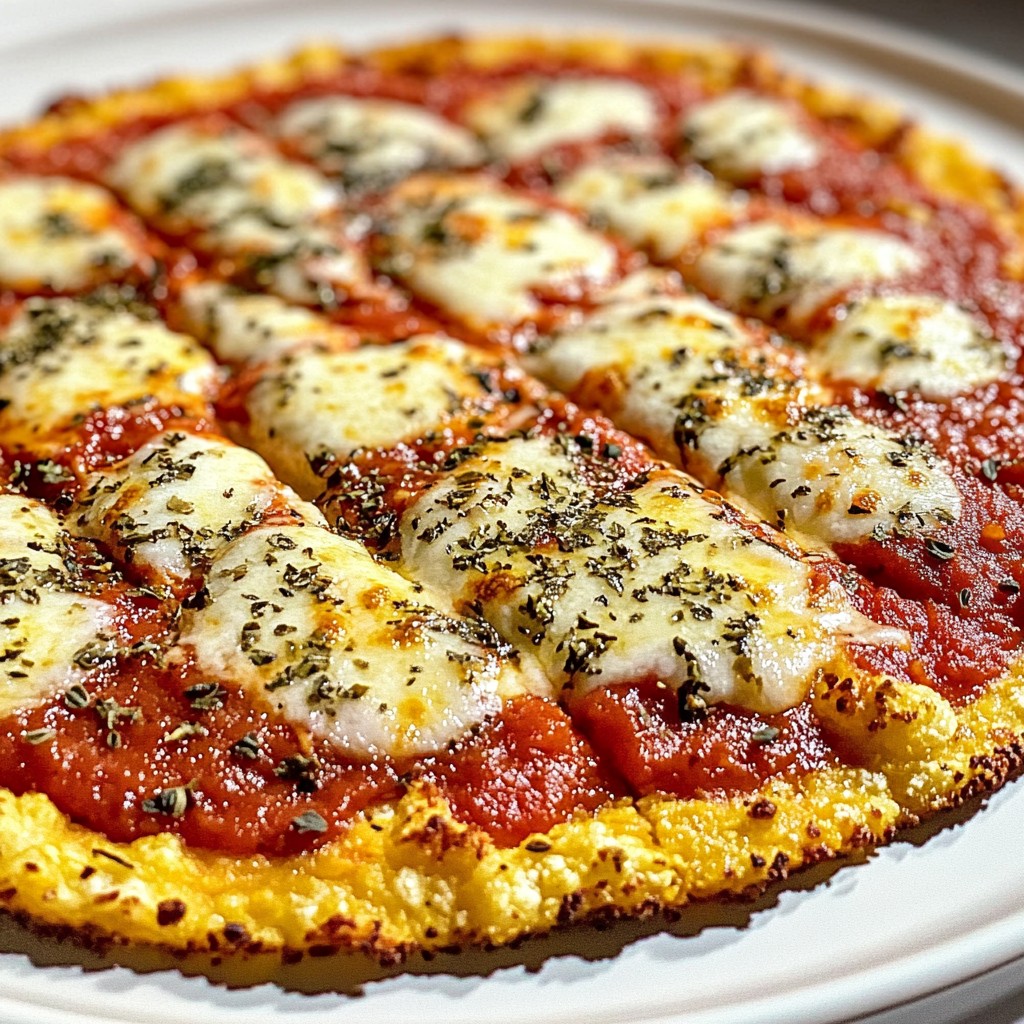
Are you ready to transform your pizza night? Cauliflower pizza crust is a deliciously healthy choice that fits into any diet. Made from simple ingredients, it's easy to create a tasty, low-carb alternative to traditional pizza crust. In this guide, I'll share how to make, customize, and store your own cauliflower pizza crust. Let’s dive into all the tasty details that will change the way you enjoy pizza!
Why I Love This Recipe
- Healthier Alternative: This cauliflower pizza crust is a fantastic low-carb option compared to traditional pizza crusts, allowing you to enjoy pizza guilt-free.
- Easy Preparation: The recipe is straightforward and requires minimal ingredients, making it accessible for even novice cooks.
- Customizable Toppings: You can top it with your favorite sauces and ingredients, making it versatile for any dietary preference.
- Delicious Flavor: The combination of cheese and spices creates a flavorful crust that satisfies pizza cravings without compromising taste.
Ingredients
Complete List of Ingredients for Cauliflower Pizza Crust
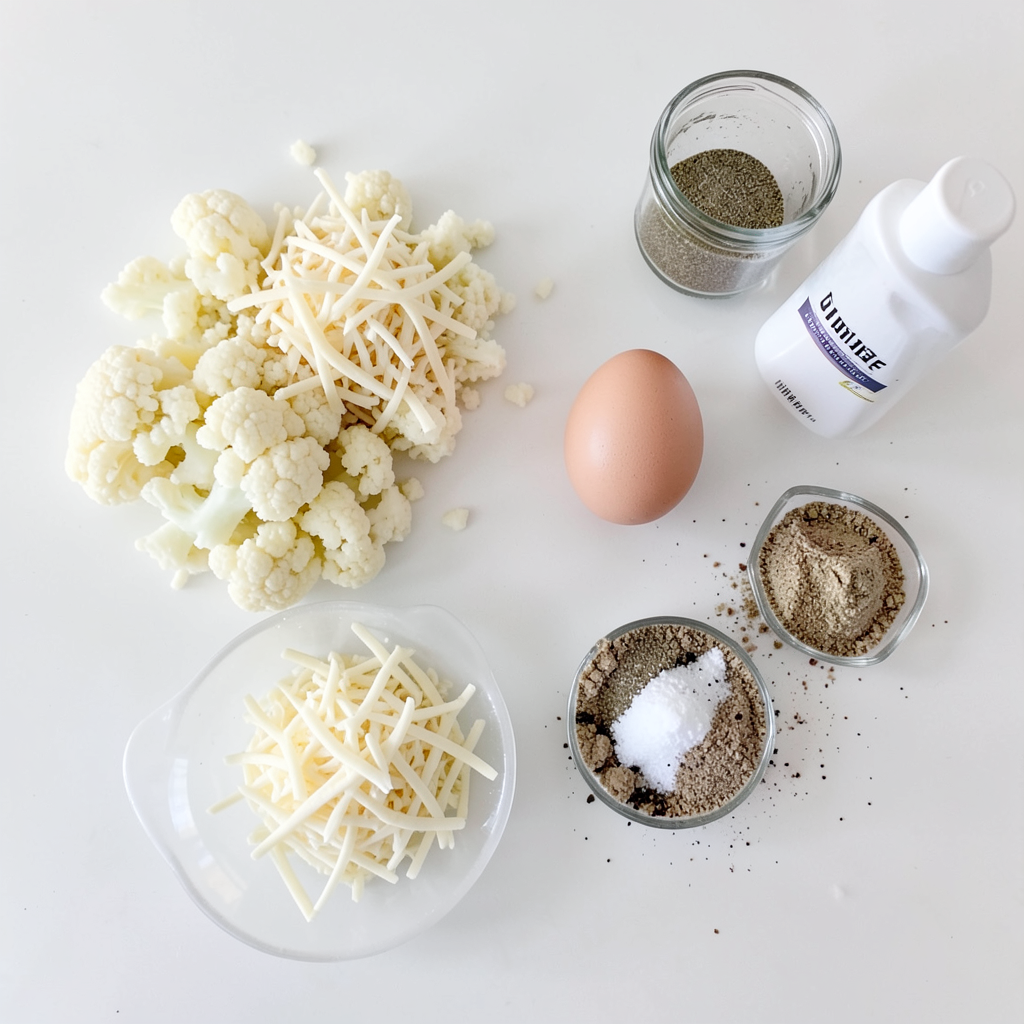
To make the perfect cauliflower pizza crust, gather these simple ingredients:
- 1 medium head cauliflower, riced
- 1 cup shredded mozzarella cheese
- 1/2 cup almond flour
- 1 large egg
- 1 teaspoon dried oregano
- 1 teaspoon garlic powder
- 1/2 teaspoon salt
- 1/4 teaspoon black pepper
- Cooking spray or olive oil for greasing
Nutritional Benefits of Each Ingredient
Each ingredient adds health benefits to your pizza crust. Here’s how:
- Cauliflower: Low in calories, high in fiber. It helps you feel full.
- Mozzarella cheese: Provides protein and calcium. It makes the crust cheesy and tasty.
- Almond flour: Rich in healthy fats and vitamin E. It keeps the crust gluten-free.
- Egg: Adds protein and helps bind the crust. It keeps everything together.
- Dried oregano: Packed with antioxidants. It gives a nice flavor boost.
- Garlic powder: Contains vitamins and adds a savory taste. It enhances the crust’s flavor.
- Salt: Balances flavors. It brings out the taste of other ingredients.
- Black pepper: Adds a bit of heat. It can help with digestion.
Possible Substitutions for Common Allergies
Some people may have allergies. Here are alternatives you can use:
- Cauliflower: Try broccoli for a different flavor.
- Mozzarella cheese: Use vegan cheese or nutritional yeast for a dairy-free option.
- Almond flour: Substitute with coconut flour or oat flour if nut-free.
- Egg: Use a flax egg (1 tablespoon flaxseed meal + 2.5 tablespoons water) as a binder.
These substitutions keep your pizza crust delicious and friendly for all diets.
Step-by-Step Instructions
Prepping the Cauliflower
Start by washing the cauliflower. Remove the leaves and stem. Cut the head into small florets. Use a food processor to rice the florets. Pulse it about 10-15 times. You want it to look like rice. Next, take a clean kitchen towel. Place the riced cauliflower in the towel. Twist the towel to squeeze out the moisture. This step is very important for a crispy crust!
Mixing the Ingredients
In a large mixing bowl, combine the riced cauliflower, shredded mozzarella cheese, and almond flour. Add in one large egg, dried oregano, garlic powder, salt, and black pepper. Mix all these ingredients until they form a dough-like consistency. This mix should hold together well. If it feels too wet, add a little more almond flour.
Shaping and Baking the Crust
Spread the cauliflower mixture onto your prepared baking sheet. Shape it into a pizza crust about 1/4 inch thick. Make sure to create a slight edge to hold your toppings. Bake your crust in a preheated oven at 425°F (220°C) for 20-25 minutes. Look for a golden brown color. It should feel firm to the touch. Once done, take it out and add your favorite toppings. Return it to the oven for another 10-15 minutes. Wait for the cheese to melt and bubble. Let it cool for a few minutes before slicing. Enjoy your homemade cauliflower pizza crust!
Tips & Tricks
How to Achieve a Crispy Cauliflower Crust
To get a crispy cauliflower crust, moisture control is key. After ricing the cauliflower, squeeze out all the water with a towel. This step helps the crust bake better. Spread the cauliflower mixture evenly on the baking sheet, about 1/4 inch thick. A thinner crust bakes faster and gets crispier. Bake it at 425°F (220°C) until golden brown, around 20-25 minutes.
Common Mistakes to Avoid
One common mistake is not drying the cauliflower well. If you skip squeezing the moisture, the crust will be soggy. Another mistake is making the crust too thick. A thick crust takes longer to cook and may not crisp up. Lastly, avoid overloading the toppings. Too many toppings can weigh down the crust and make it soft.
Best Practices for Topping the Pizza
When topping your pizza, stick to a few key ingredients. Use a light layer of sauce to avoid sogginess. Fresh veggies, lean meats, and less cheese work well. Remember, less is more! After adding toppings, bake your pizza for 10-15 minutes. This step melts the cheese and warms the toppings without ruining the crust. Enjoy your delicious, healthy pizza!
Pro Tips
- Drain Well: Ensure to squeeze out as much moisture as possible from the riced cauliflower to avoid a soggy crust.
- Cheese Variations: Feel free to experiment with different types of cheese like cheddar or vegan options for a unique flavor.
- Seasoning Options: Customize the flavor of your crust by adding herbs and spices such as basil, thyme, or crushed red pepper flakes.
- Resting Time: Let the baked crust rest for a few minutes after removing it from the oven to help it firm up before adding toppings.
Variations
Keto-Friendly Cauliflower Pizza Crust
A keto-friendly cauliflower pizza crust keeps carbs low while tasting great. This crust uses almond flour instead of wheat flour. Almond flour has fewer carbs and healthy fats. You can enjoy pizza without breaking your diet. Just follow the basic recipe and stay within keto limits.
Gluten-Free Options
Making a gluten-free cauliflower pizza crust is simple. The main ingredients are naturally gluten-free. Use almond flour as your base. This keeps the crust light and tasty. You can also try coconut flour. Coconut flour adds a subtle sweetness. Always check labels to ensure all ingredients are gluten-free.
Flavorful Additions to the Cauliflower Dough
You can boost the flavor of your cauliflower dough easily. Try adding fresh herbs like basil or parsley. They add a fresh taste to the crust. You can also mix in spices like crushed red pepper for heat. Cheese lovers can add more mozzarella or parmesan for richness. Experiment with different flavors to find your perfect crust!
Storage Info
How to Store Leftover Cauliflower Pizza Crust
After you bake your cauliflower pizza crust, let it cool completely. Wrap any leftovers tightly in plastic wrap or foil. Place them in an airtight container. This keeps your crust fresh for up to three days in the fridge. If you want to eat it later, proper storage is key to maintain taste and texture.
Freezing Tips for Pre-Made Crusts
To freeze your cauliflower pizza crust, first, let it cool. Wrap it tightly in plastic wrap, then place it in a freezer bag. Squeeze out all the air before sealing. This helps prevent freezer burn. You can store it for up to three months. When you’re ready to use it, just thaw it overnight in the fridge.
Reheating Recommendations for Optimal Taste
To reheat your crust, preheat your oven to 375°F (190°C). Place the crust on a baking sheet. Bake for about 10 minutes, or until it is warm and crispy again. You can also use a skillet on medium heat if you prefer. Just heat it for a few minutes on each side. This keeps the crust crunchy and delicious.
FAQs
What is Cauliflower Pizza Crust?
Cauliflower pizza crust is a healthy alternative to regular pizza crust. It uses riced cauliflower instead of dough. This crust is low in carbs and gluten-free. To make it, you mix riced cauliflower with cheese, flour, and an egg. It has a crispy texture and is packed with flavor. You can top it just like traditional pizza.
How Does Cauliflower Pizza Crust Compare to Traditional Crust?
Cauliflower crust is much lower in calories than traditional crust. A slice of regular pizza can have over 200 calories. In contrast, a slice of cauliflower pizza has about 100 calories. This makes it a great choice for those watching their weight. The taste is different but still delicious. The texture is crispy and can hold toppings well. Cauliflower crust is also gluten-free, making it safe for those with gluten sensitivities.
Where Can I Buy Pre-Made Cauliflower Pizza Crust?
You can find pre-made cauliflower pizza crust at most grocery stores. Look in the frozen aisle or the health food section. Many brands offer this option, making it easy to enjoy. You can also check local health food stores. If you want a fresh option, some pizzerias now serve cauliflower crust. Always read the labels to know the ingredients used.
This blog post covered everything you need to know about cauliflower pizza crust. You learned the ingredients, their benefits, and how to adjust for allergies. The step-by-step instructions guide you on making, baking, and perfecting your crust. You discovered tips for crispiness and common mistakes to avoid. We explored variations, storage, and answered FAQs about this trendy dish.
Try making cauliflower pizza for a tasty, healthy treat. Enjoy your cooking adventure!