WANT TO SAVE THIS RECIPE?
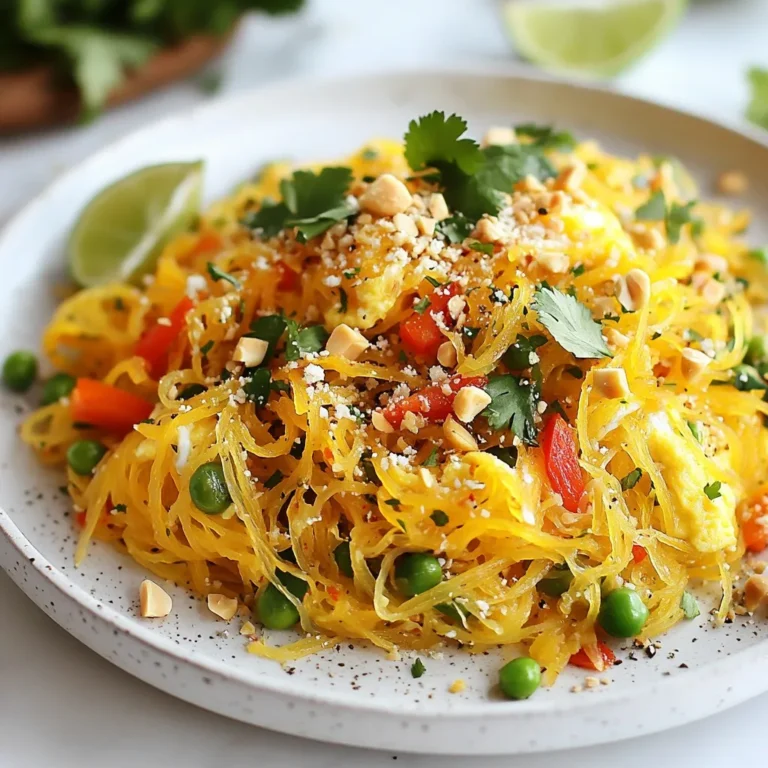
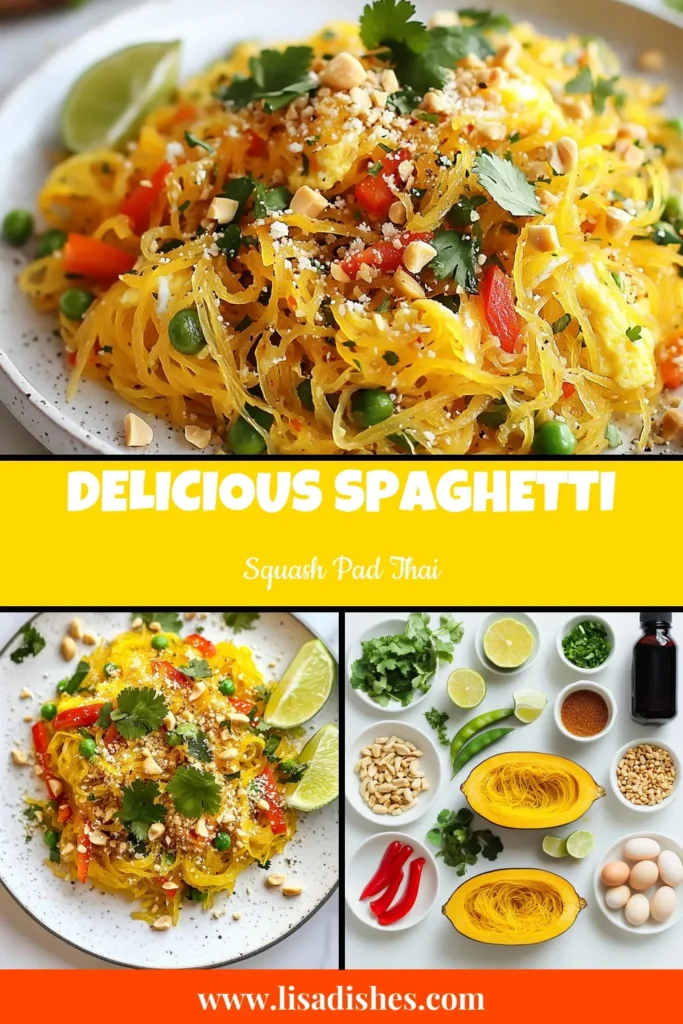
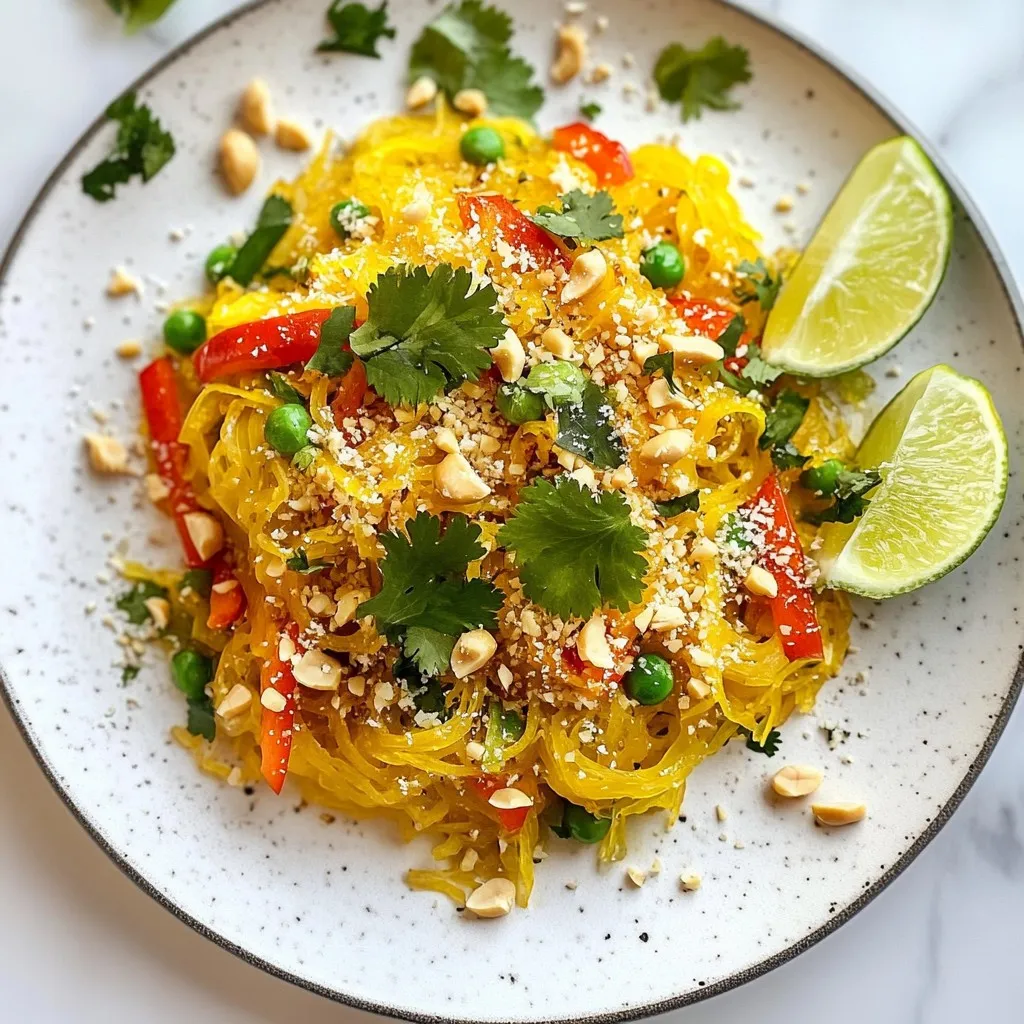
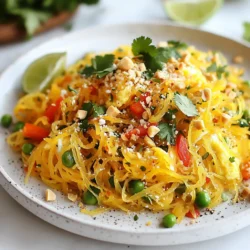
Looking for a tasty twist on a classic dish? Try my Spaghetti Squash Pad Thai! This meal is not only flavorful but also packed with nutrients. Whether you’re a veggie lover or need gluten-free options, I’ve got you covered. I’ll guide you through simple steps to create this dish and offer easy swaps to match your needs. Let’s dive in and make a healthy dinner that everyone will enjoy!
Why I Love This Recipe
- Healthy Twist: This recipe substitutes traditional noodles with spaghetti squash, making it a low-carb and nutritious option.
- Quick & Easy:
- Flavorful Sauce: The combination of soy sauce, tamarind paste, and lime juice creates a tangy and savory sauce that elevates the dish.
- Customizable: You can easily add your favorite proteins or vegetables, making it versatile for different tastes.
Ingredients
List of Ingredients
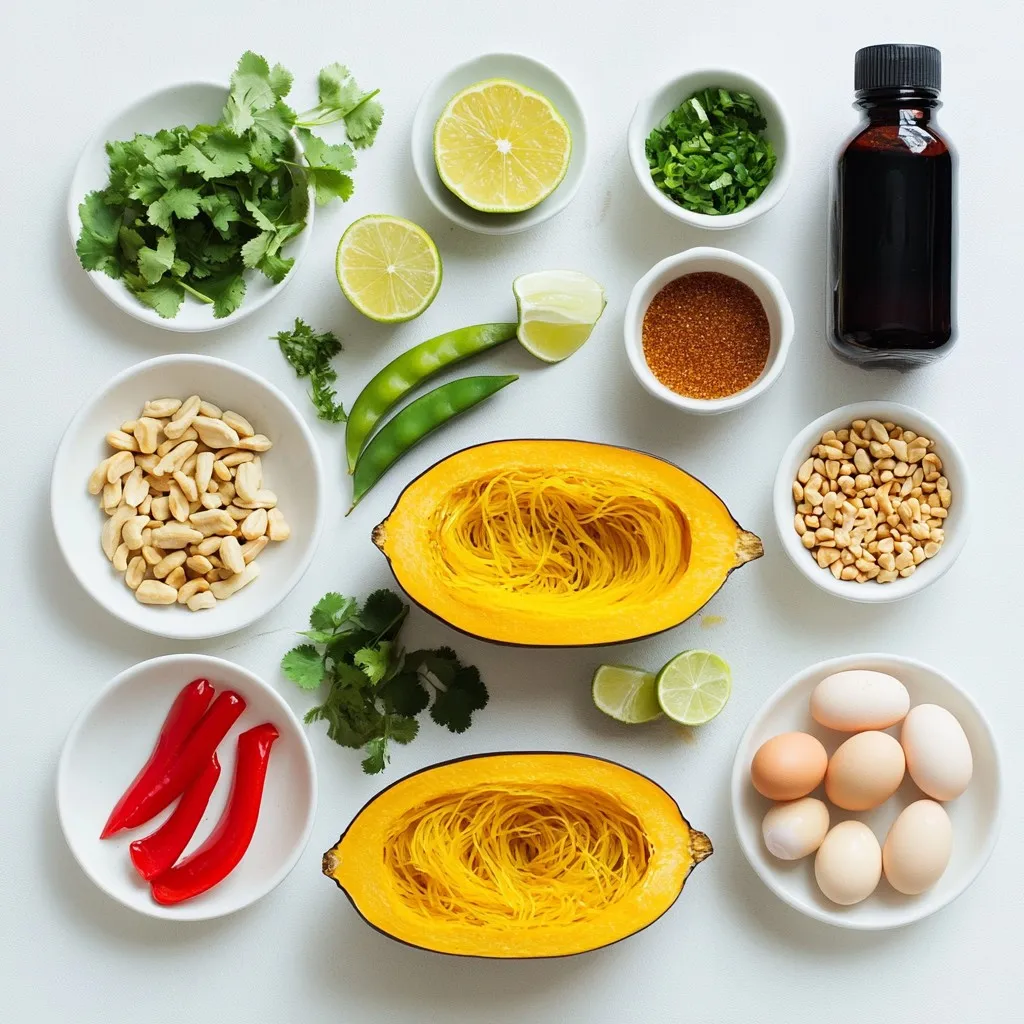
To make Spaghetti Squash Pad Thai, you’ll need:
– 1 medium spaghetti squash
– 2 tablespoons peanut oil (or any cooking oil)
– 2 cloves garlic, minced
– 1 red bell pepper, julienned
– 1 cup snap peas, trimmed
– 2 green onions, chopped
– 2 large eggs, lightly beaten
– 3 tablespoons soy sauce
– 2 tablespoons tamarind paste
– 1 tablespoon brown sugar
– 1 tablespoon lime juice
– 1/4 cup crushed peanuts (for garnish)
– Fresh cilantro leaves (for garnish)
– Lime wedges (for serving)
Measuring & Preparation Tips
When measuring out ingredients, use a dry measuring cup for solids and a liquid measuring cup for liquids. This helps ensure accuracy. For the squash, look for one that feels heavy for its size. A heavier squash means more flesh. When cutting the squash, use a sharp knife. This makes it easier to slice through the tough skin. Always scoop out the seeds thoroughly. This gives you more room for the strands.
Substitutions for Dietary Preferences
If you’re looking for alternatives, here are some options:
– Use coconut oil instead of peanut oil for a different flavor.
– Swap soy sauce with tamari for a gluten-free option.
– Replace eggs with scrambled tofu for a vegan choice.
– For nut allergies, skip the peanuts or use sunflower seeds instead.
– Add other veggies like carrots or broccoli to boost nutrition.
These substitutions keep the dish tasty while fitting your dietary needs.

Step-by-Step Instructions
Preparing the Spaghetti Squash
Start by preheating your oven to 400°F (200°C). This helps cook the squash evenly. Next, take your medium spaghetti squash and cut it in half lengthwise. Use a spoon to scoop out the seeds. They can be messy, but it’s quick work. Drizzle a bit of peanut oil over the cut sides. This adds flavor and helps it roast better. Place the squash cut-side down on a baking sheet. Roast it for 30-40 minutes until it feels tender. You can check by poking it with a fork.
Cooking the Vegetables and Eggs
While the squash roasts, grab a large skillet or wok. Heat 2 tablespoons of peanut oil over medium heat. Add 2 minced garlic cloves and sauté for about 1 minute. You want the garlic to be fragrant but not burnt. Now, add the julienned red bell pepper and trimmed snap peas. Stir-fry these for about 3-4 minutes. They should be tender yet still crisp. Once done, push the veggies to one side. Pour 2 lightly beaten eggs into the other side of the pan. Scramble the eggs until just set, and then mix them with the veggies.
Combining Everything Together
In a small bowl, whisk together 3 tablespoons of soy sauce, 2 tablespoons of tamarind paste, 1 tablespoon of brown sugar, and 1 tablespoon of lime juice. Once combined, pour this sauce over the vegetables and eggs in the skillet. Stir everything together until well mixed. Once your spaghetti squash is roasted, let it cool for a few minutes. Use a fork to scrape out the strands and add them to the skillet. Toss everything until the squash is coated in the sauce. Finally, stir in 2 chopped green onions and cook for another 2-3 minutes until heated through. Your Spaghetti Squash Pad Thai is now ready to serve!
Tips & Tricks
Perfecting the Roasting Technique
To roast spaghetti squash well, start by cutting it in half lengthwise. Scoop out the seeds with a spoon. Drizzle a little peanut oil on the cut sides. Place it cut-side down on a baking sheet. Roast at 400°F for 30 to 40 minutes. Check for tenderness by poking it with a fork. If it feels soft, it’s done.
Achieving the Right Texture and Flavor
The goal is to get a nice balance of flavors. The squash should be tender but not mushy. When mixing in the sauce, ensure the squash strands are well-coated. This way, every bite is packed with flavor. The vegetables should remain crisp to add texture. Fresh lime juice brightens the dish and enhances all flavors.
Recommended Cooking Equipment
You don’t need fancy tools for this recipe. A sharp knife makes cutting the squash easy. A sturdy spoon helps scoop out seeds. Use a baking sheet for roasting. A large skillet or wok is best for stir-frying. Finally, a fork is essential for scraping the squash strands. These simple tools make cooking fun and easy.
Pro Tips
- Choose the Right Squash: Select a spaghetti squash that feels heavy for its size and has a firm shell. This ensures optimal texture and flavor.
- Customize Your Veggies: Feel free to add or substitute any vegetables you love or have on hand, such as carrots or bean sprouts for added crunch.
- Perfectly Scramble Eggs: To achieve fluffy scrambled eggs, cook them on low heat and stir gently with a spatula until just set.
- Garnish Generously: Don’t skimp on the crushed peanuts and fresh cilantro; they add essential crunch and freshness to the dish!
Variations
Vegetarian or Vegan Options
You can easily make Spaghetti Squash Pad Thai vegetarian or vegan. Simply skip the eggs and use a plant-based sauce. I recommend using soy sauce or coconut aminos. You can also add more veggies like carrots or mushrooms. They will add great flavor and texture.
Gluten-Free Alternatives
This dish is naturally gluten-free if you pick the right soy sauce. Look for gluten-free soy sauce or tamari. Both work well and keep the taste awesome. Feel free to swap out the brown sugar with coconut sugar for a healthier twist.
Adding Proteins like Chicken or Tofu
If you want to add protein, chicken or tofu works great. For chicken, use cooked and shredded pieces. For tofu, cube it and fry until golden. Add it when mixing the sauce with the veggies. This way, the protein soaks up all the delicious flavors.
Storage Info
How to Store Leftovers
After you enjoy your Spaghetti Squash Pad Thai, store the leftovers in an airtight container. Make sure to let the dish cool to room temperature first. You can keep it in the fridge for up to three days. If you want to keep it longer, consider freezing it.
Reheating Instructions
To reheat your Pad Thai, you can use a skillet or microwave. If using a skillet, add a splash of water or oil. Heat over low to medium heat and stir often until warm. If using the microwave, place it in a microwave-safe bowl. Heat in 30-second bursts, stirring in between, until hot.
Freezing Tips
For freezing, place your cooled Spaghetti Squash Pad Thai in a freezer-safe bag or container. Remove as much air as possible before sealing. It can last up to three months in the freezer. When you’re ready to eat it, thaw it in the fridge overnight before reheating.
FAQs
Can I use other types of squash?
Yes, you can use other squash. Zucchini or butternut squash works well. Each type will change the flavor. Choose what you like best. Spaghetti squash gives a unique texture and taste.
How do I know when the spaghetti squash is cooked?
You will know it is cooked when it is tender. When you poke it with a fork, it should feel soft. It usually takes 30 to 40 minutes to roast. After roasting, let it cool for a few minutes before scraping the strands out.
What to serve with Spaghetti Squash Pad Thai?
You can serve this dish with lime wedges and fresh cilantro. They add great flavor and freshness. You might also enjoy it with grilled chicken or shrimp for extra protein. A simple side salad can complement the meal nicely.
This blog post covered all you need to know about making Spaghetti Squash Pad Thai. We started with essential ingredients and measuring tips. Next, you learned step-by-step instructions and useful cooking tricks. We explored variations, including vegan options and proteins. Finally, we shared storage tips to keep your leftovers fresh.
In conclusion, Spaghetti Squash Pad Thai is a versatile dish. With the right ingredients and techniques, you can create a healthy meal that suits your taste. Enjoy experimenting with this fun recip
Spaghetti Squash Pad Thai
A healthy twist on traditional Pad Thai using spaghetti squash instead of noodles.
Prep Time 15 minutes mins
Cook Time 45 minutes mins
Total Time 1 hour hr
Course Main Course
Cuisine Thai
Servings 4
Calories 300 kcal
- 1 medium spaghetti squash
- 2 tablespoons peanut oil
- 2 cloves garlic, minced
- 1 red bell pepper julienned
- 1 cup snap peas, trimmed
- 2 large eggs, lightly beaten
- 3 tablespoons soy sauce
- 2 tablespoons tamarind paste
- 1 tablespoon brown sugar
- 1 tablespoon lime juice
- 0.25 cup crushed peanuts
- fresh cilantro leaves
- lime wedges
Preheat the oven to 400°F (200°C).
Cut the spaghetti squash in half lengthwise and scoop out the seeds. Drizzle a bit of oil over the cut sides and place them cut-side down on a baking sheet. Roast for 30-40 minutes, or until tender.
While the squash is roasting, heat the peanut oil in a large skillet or wok over medium heat. Add the minced garlic and sauté for 1 minute until fragrant.
Add the red bell pepper and snap peas to the skillet. Stir-fry for about 3-4 minutes until the vegetables are tender but still crisp.
Push the vegetables to one side of the pan, and pour the beaten eggs into the other side. Scramble the eggs until just set, then mix them with the vegetables.
In a small bowl, whisk together the soy sauce, tamarind paste, brown sugar, and lime juice. Pour this sauce over the vegetables and eggs, stirring everything to combine.
Once the spaghetti squash is done roasting, let it cool for a few minutes, then use a fork to scrape out the strands and add them to the skillet. Toss everything together until the squash is evenly coated with the sauce.
Stir in the chopped green onions and cook for an additional 2-3 minutes to heat through.
Serve the Spaghetti Squash Pad Thai warm, garnished with crushed peanuts, fresh cilantro leaves, and lime wedges on the side.
Feel free to adjust the vegetables based on your preference.
Keyword healthy, pad thai, spaghetti squash, vegetarian
WANT TO SAVE THIS RECIPE?